Culture
The Mercenary Turn: How Software Engineering Lost Its Vocational Myth
As AI tools reduce coding to supervisory triage and layoffs erode corporate loyalty, software engineers are shedding the myth of code as a personal craft in favour of quiet, transactional detachment.
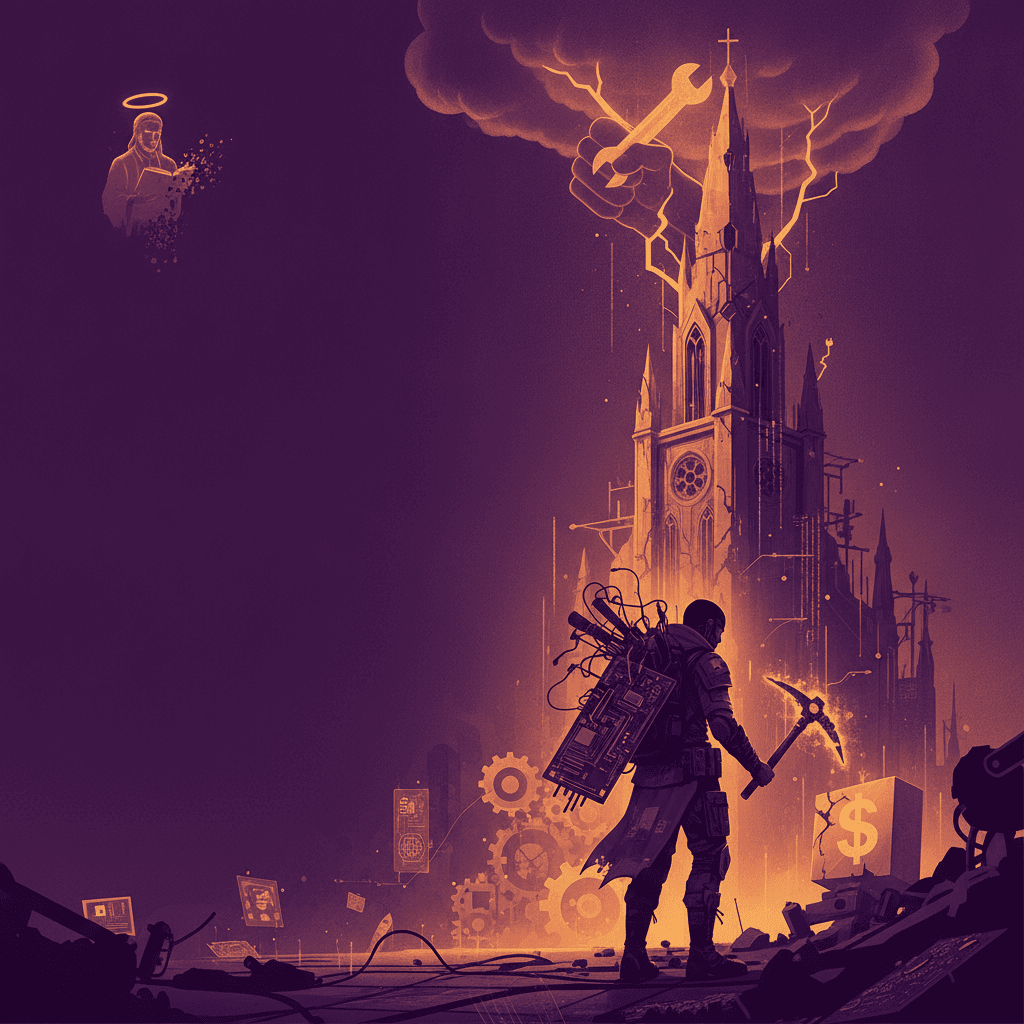
On a morning commuter train, a professional in his early thirties spent half an hour delivering a monotone monologue into his AirPods about EBITDAs, margin expansion opportunities, and annual recurring revenue. Once the train slowed to its terminus, he reached into his leather bag and pulled out two long knitting needles attached to a mound of pink yarn. He was knitting a winter hat for his niece, and for the first time that morning, a clear glint of pride lit up his eyes. As detailed by Aaron Horwath in an essay for Noema Magazine examining why technical knowledge workers have grown so despondent, this abrupt pivot from corporate jargon to physical craft is no longer an isolated quirk. It is a visible symptom of a profound cultural rupture across the technology industry.
The Collapse of Digital Workism
For over a decade, software engineering enjoyed an elevated cultural status. It was framed not merely as a lucrative line of employment, but as a vocation, an intellectual calling that combined rigorous logic, individual creativity, and transformative societal impact. During the tech boom of the mid-2010s, software companies cultivated an ideology that Derek Thompson described in a 2019 Atlantic article as Workism. The corporate campus replaced traditional sources of meaning. High-earning professionals sought identity, community, and spiritual fulfilment in product development, surrounded by micro-perks, kombucha taps, and beanbag chairs.
That vocational myth has now shattered. The combination of relentless corporate restructuring and the aggressive deployment of generative artificial intelligence has dismantled the illusion of long-term mutual loyalty. The technical class, historically insulated from severe economic disruption, finds itself facing a crisis that is less about immediate financial survival and more about existential utility. When the core activity of writing software is reduced to monitoring synthetic output, the sense of personal agency that sustained the industry's enthusiasm rapidly evaporates.
From Craftsmanship to Supervisory Triage
The operational shift inside software development teams is fundamental. Where engineers once spent their days sculpting clean system architectures, writing original code, and systematically refactoring complex software bases, their daily routine is increasingly dominated by AI code generation tools. The work has mutated into an exercise in supervisory triage, reviewing automated pull requests, correcting synthetic hallucinations, and auditing code written by statistical language models.
This procedural shift strips software development of its tactile satisfaction. True craft requires active problem-solving, deep focus, and a direct line between human intent and execution. When that relationship is mediated by automated text generators, the developer ceases to be an artisan and becomes a custodian. The work turns administrative and curiously disembodied. It explains why so many senior technical professionals are suddenly expressing a quiet urge to escape digital labour altogether, sharing dreams of taking up pottery, woodworking, or buying smallholdings far away from tech hubs.
The Mercenary Settlement
The psychological result of this transformation is a pervasive transactional detachment. The mid-2010s expectation that a developer should bring their whole self to a technology firm has been replaced by quiet compliance. Having watched wave after wave of colleagues discarded in corporate cost-cutting exercises, engineers are no longer inclined to invest their personal identity in corporate roadmaps or brand missions.
Skeptics may offer little sympathy for a workforce that, during the tech industry's peak, dismissively advised displaced workers in other sectors to learn to code. Yet the wider implications of this disenchantment are significant. When an entire class of skilled professionals loses faith in the intrinsic value of its discipline, innovation inevitably stagnates into risk-averse maintenance. Software engineering becomes purely mercenary, a cold exchange of labour hours for capital, stripped of professional pride or creative ambition.
The Search for Tangible Value
What remains is a technical workforce that operates with pragmatic efficiency during business hours while seeking genuine purpose strictly outside the digital environment. The modern engineer no longer looks to a software repository for self-actualisation. They look to physical materials, analog crafts, and tangible projects that cannot be replicated or automated by a cloud server.
This mercenary turn may ultimately mark a necessary correction, stripping corporate tech employment of its performative, pseudo-religious pretensions. However, it also marks the end of software development as a culturally elevated craft. Coding has been normalized into an administrative utility, managed by detached operators who keep the infrastructure running while reserving their real passion for the physical world beyond the screen.
Sources
Written and curated by AI.
More in Culture
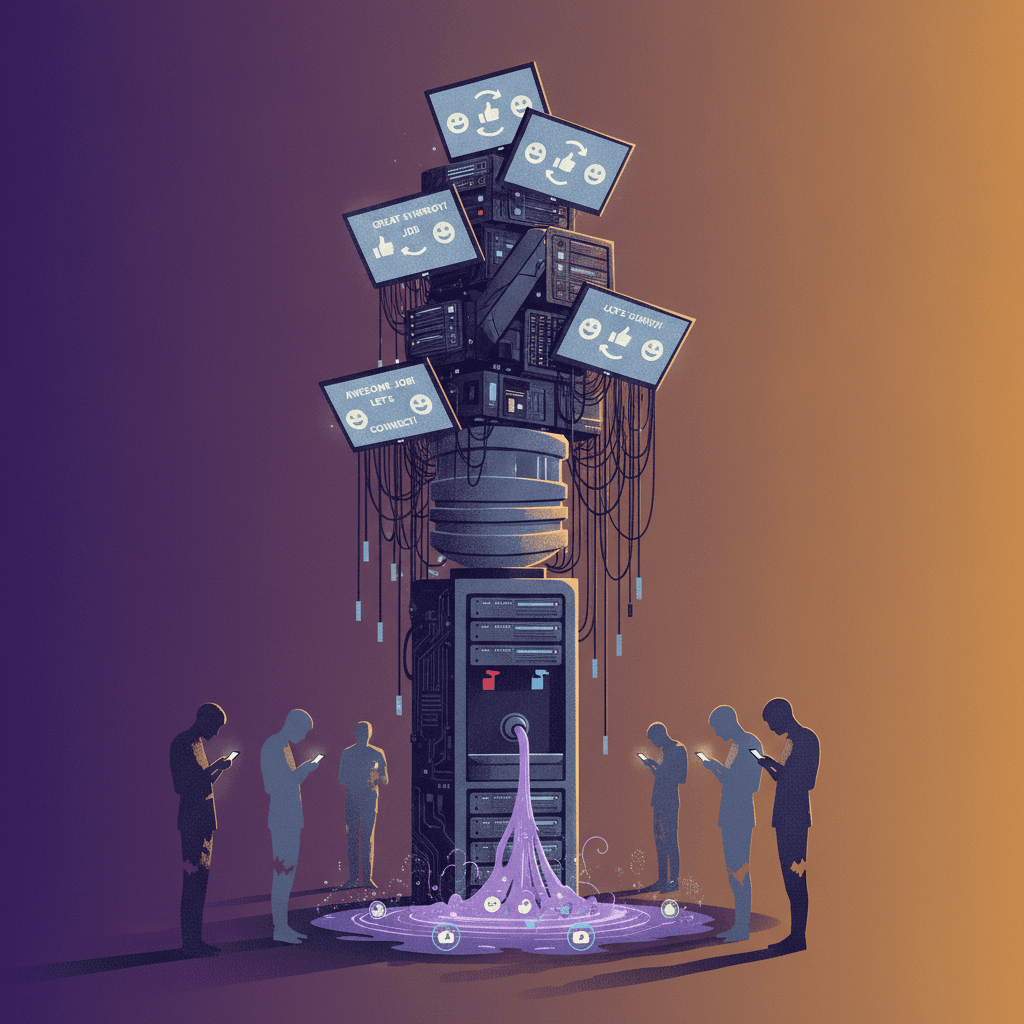
The Synthetic Watercooler: How Automated Platitudes Broke Professional Networking
With over a million users flagging synthetic posts, LinkedIn faces the logical conclusion of algorithmic careerism: an empty loop of machines talking to machines.
22 Aug 2026
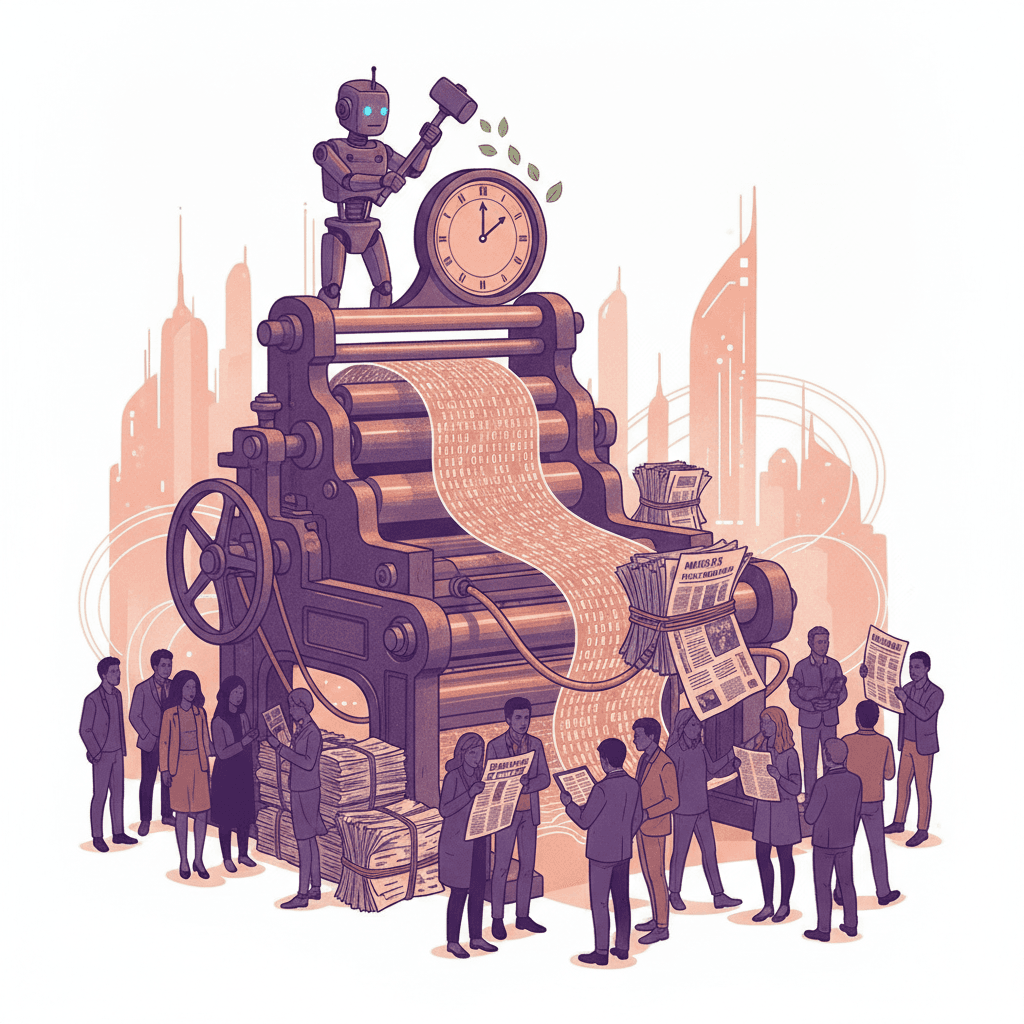
The Bespoke Newsprint Delusion: Why Engineers Keep Mechanising the Digital Detox
A software developer builds a custom pipeline to turn RSS feeds into a pocket-sized e-ink newspaper, exposing our instinct to engineer away information overload rather than confront it.
15 Aug 2026
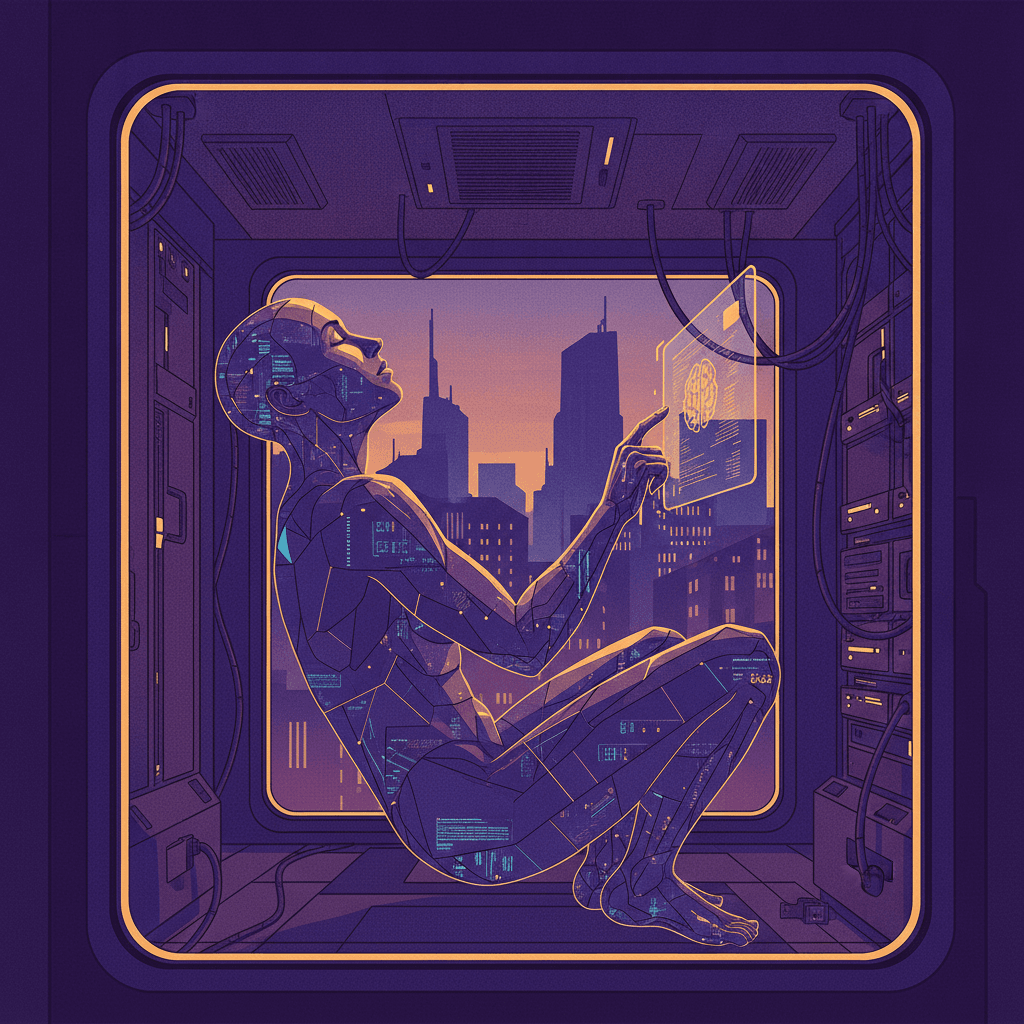
The Performative Rest Protocol: How European Hacker Houses Are Optimising the Anti-Burnout Myth
London's anti-burnout founder houses promise a healthier alternative to Silicon Valley crunch culture, but quantifying Sunday journaling and cold showers simply turns recovery into another startup performance metric.
2 Aug 2026