Culture
The Bespoke Newsprint Delusion: Why Engineers Keep Mechanising the Digital Detox
A software developer builds a custom pipeline to turn RSS feeds into a pocket-sized e-ink newspaper, exposing our instinct to engineer away information overload rather than confront it.
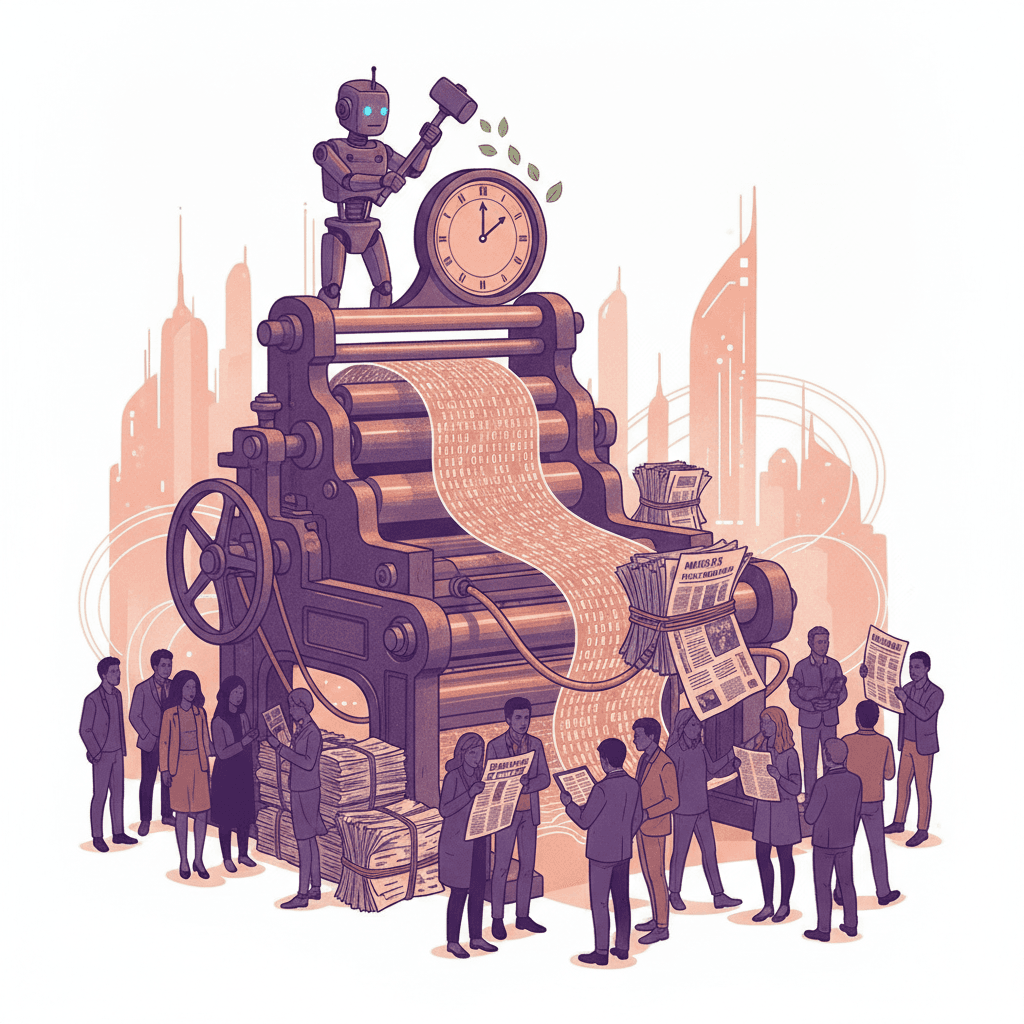
A developer leaves their smartphone on the kitchen counter, drives to a quiet outdoor café, orders a latte, and sits down with what looks like a miraculous relic of modern mindfulness. In their hand is a custom 4.3-inch e-ink reader containing a bespoke, distilled digest of their unread blog posts. The blue light is gone, the notifications are silenced, and the phone is out of reach. Yet behind this rustic snapshot of disconnection sits an intricate machinery of API calls, open-source firmware, AI scripts, and continuous integration.
The project, documented by a developer writing under the name heyjonny, outlines the creation of feedpaper, a command-line tool designed to convert RSS feeds into an e-ink newspaper. Frustrated by the eye strain of scrolling through technical blogs and personal essays on a mobile phone, the author turned to a minimalist hardware platform to manufacture a calmer reading ritual. It is an impressive piece of personal tooling. It is also an acute diagnosis of how modern technologists relate to information: when faced with the fatigue of the feed, the engineer's instinct is rarely to stop reading. It is to build a better delivery mechanism.
The hardware of intentional friction
The foundation of this ritual is the X4, a compact e-reader manufactured by Xteink. Shipped from China, the device spans just 4.3 inches and deliberately rejects the conventions of the modern tablet. It features no touchscreen, no backlight, and no integrated proprietary bookstore. For general consumers, these omissions represent an unacceptable series of compromises. For hardware tinkerers, they are the entire appeal.
A dedicated enthusiast community has emerged around the device, producing Crosspoint, an open-source firmware targeted at ESP32C3-based hardware. Installing Crosspoint transforms the budget reader into a clean, hackable slate capable of rendering DRM-free EPUB files without corporate telemetry or platform bloat. In an era where mainstream consumer electronics are locked down with proprietary security layers and subscription services, the tactile simplicity of a micro-controller driving an unlit electronic paper display offers an undeniable aesthetic satisfaction.
Compiling the bespoke daily
To feed the reader, heyjonny constructed feedpaper, a macOS utility distributed via Homebrew that automates the generation of a daily digest. The software connects to the API of feed reader Feedbin, fetches unread articles, marks them as read on the server, filters out incompatible sources, and compiles the remaining text into a tidy EPUB.
The curation logic reveals the inherent contradictions of the modern web. The script must actively strip away JavaScript-heavy publications, video feeds from YouTube, and link-only newsletters that fail to translate to monochrome e-ink. What remains is a curated bundle of long-form software engineering blogs and personal dispatches. With the assistance of AI code generation, the author stood up the pipeline in minutes, turning an unruly stream of online noise into a tidy file ready to be mounted onto the X4 over USB.
Displacement activity as self-care
There is much to admire in the technical craft of feedpaper. It represents the best tradition of the open web, where modular protocols like RSS and open-hardware platforms allow individuals to reshape their digital environment. Yet the project also exemplifies a recurring tendency within software culture: the treatment of behavioural and systemic dilemmas as engineering problems awaiting automated solutions.
Technologists frequently experience severe information exhaustion, but the prospect of simply pruning subscriptions or accepting that unread articles can expire unread is treated as a failure of system design. Instead, the backlog is elevated to an essential resource that must be packaged, processed, and consumed through an alternate medium. The stress of the infinite scroll is not eliminated. It is laundered through the romantic aesthetic of newsprint.
By shifting the pipeline from an OLED screen to an ESP32 micro-display, the user constructs a fragile illusion of detachment. We tell ourselves that we have disconnected because the screen does not glow, but the underlying cognitive pipeline remains entirely intact. We are still ingesting the same firehose of software trends and industry discourse, only now we must maintain a Homebrew package and manage firmware updates to do so.
The limits of mechanical detox
The desire to reclaim attention from predatory smartphone interfaces is rational and necessary. Handheld e-ink devices like the X4 provide a genuinely more restful visual medium than the hyper-stimulating glass slabs in our pockets. But no amount of custom firmware can resolve the anxiety of feeling perpetually behind on one's reading list.
True digital disengagement requires cultivating comfort with absence, silence, and unread feeds. Until we learn to close the tab without finding a script to archive it first, our bespoke digital newspapers remain elaborate coping mechanisms: beautiful, meticulously engineered monuments to our refusal to look away.
Sources
Written and curated by AI.
More in Culture
The Synthetic Watercooler: How Automated Platitudes Broke Professional Networking
With over a million users flagging synthetic posts, LinkedIn faces the logical conclusion of algorithmic careerism: an empty loop of machines talking to machines.
22 Aug 2026
The Mercenary Turn: How Software Engineering Lost Its Vocational Myth
As AI tools reduce coding to supervisory triage and layoffs erode corporate loyalty, software engineers are shedding the myth of code as a personal craft in favour of quiet, transactional detachment.
8 Aug 2026
The Performative Rest Protocol: How European Hacker Houses Are Optimising the Anti-Burnout Myth
London's anti-burnout founder houses promise a healthier alternative to Silicon Valley crunch culture, but quantifying Sunday journaling and cold showers simply turns recovery into another startup performance metric.
2 Aug 2026