Products
Midjourney Buying Co-Star Signals the End of the Pure Utility AI Era
Midjourney's acquisition of astrology app Co-Star reveals a critical shift in AI: technical performance is no longer enough without daily, emotionally adhesive interface habits.

A blank text box is an extraordinary technical achievement, but it is a terrible place to build a daily habit. For the past three years, the generative software boom has proceeded under a brute-force assumption: if you build a larger model and deliver cleaner outputs, consumers will naturally integrate the tool into their daily lives. Yet for all their technical sophistication, platforms like Midjourney have remained largely transactional. You open them when you need a specific asset, and you leave the second the job is finished.
The news that Midjourney has acquired the astrology app Co-Star marks a quiet, decisive pivot in consumer software. As reported by The Verge, the deal, which reportedly closed in spring for undisclosed terms, will see Co-Star founder Banu Guler remain in charge of her app while stepping into a broader role as Midjourney's chief design officer. Midjourney founder David Holz confirmed that Guler and her team will help build the startup's first dedicated consumer mobile applications, including a standalone app for image generation. On the surface, pairing an AI image engine with a daily horoscope platform looks bizarre. Beneath the superficial contrast, however, lies a clear admission: the pure utility era of consumer AI has reached its natural ceiling.
The Engagement Ceiling of the Command Line
Until now, Midjourney has operated largely within Discord servers and a sparse web portal. While this community-centric setup suited early adopters and digital artists, it exposed a fundamental limitation in utility-first software. Generative engines lack ambient, passive routines. They demand active creative intent from the user, requiring a explicit idea, a carefully constructed text prompt, and the patience to iterate. When a user runs out of immediate creative tasks, engagement drops to zero.
Contrast that transactional dynamic with Co-Star. The astrology app does not wait for a user to arrive with a complex request. Instead, it injects personal micro-interactions into the user's day. By combining NASA satellite data, artificial intelligence, and human editorial insight, Co-Star built an emotionally adhesive consumer container that millions of users open every morning to check compatibility with friends or read personalized horoscopes. It is an exercise in emotional interface design, transforming algorithmic output into a daily ritual.
From Compute Power to Emotional Friction
For years, the generative software industry treated product design as a secondary concern. The prevailing belief was that raw compute power and model quality were the only moats that mattered. Yet as image synthesis quality across the market begins to plateau, visual fidelity alone no longer guarantees daily retention. A generative engine that produces hyper-realistic visuals is useless if users only feel compelled to open it once a month.
By hiring Banu Guler as chief design officer, Midjourney is acknowledging that its next phase of growth cannot be achieved solely by training larger models or expanding into quirky visual adjacencies like full-body ultrasound scanning. Instead, the company needs to build native software containers that foster daily emotional stickiness. Guler's task is to take the aesthetic sensibilities and notification-driven habits that made Co-Star a culturally resonant app and adapt them into Midjourney's upcoming app ecosystem.
Packaging Utility into Daily Software
This acquisition signals a broader maturation across consumer technology. The industry is beginning to move away from the open-ended text box and towards specialised applications where artificial intelligence operates quietly in the background. Consumers rarely want an empty prompt canvas every time they unlock their devices; they want curated contexts, social feedback loops, and ambient utility.
If Midjourney succeeds in translating Co-Star's design principles into its dedicated mobile apps, it could set a new benchmark for generative software. The future of consumer artificial intelligence will not belong strictly to the companies with the largest training clusters, but to those that construct the most compelling routines around their outputs. In buying an astrology app, Midjourney is not placing a bet on the stars, but on the enduring value of human habit.
Sources
- Midjourney bought the astrology app Co-Star — The Verge
Written and curated by AI.
More in Products
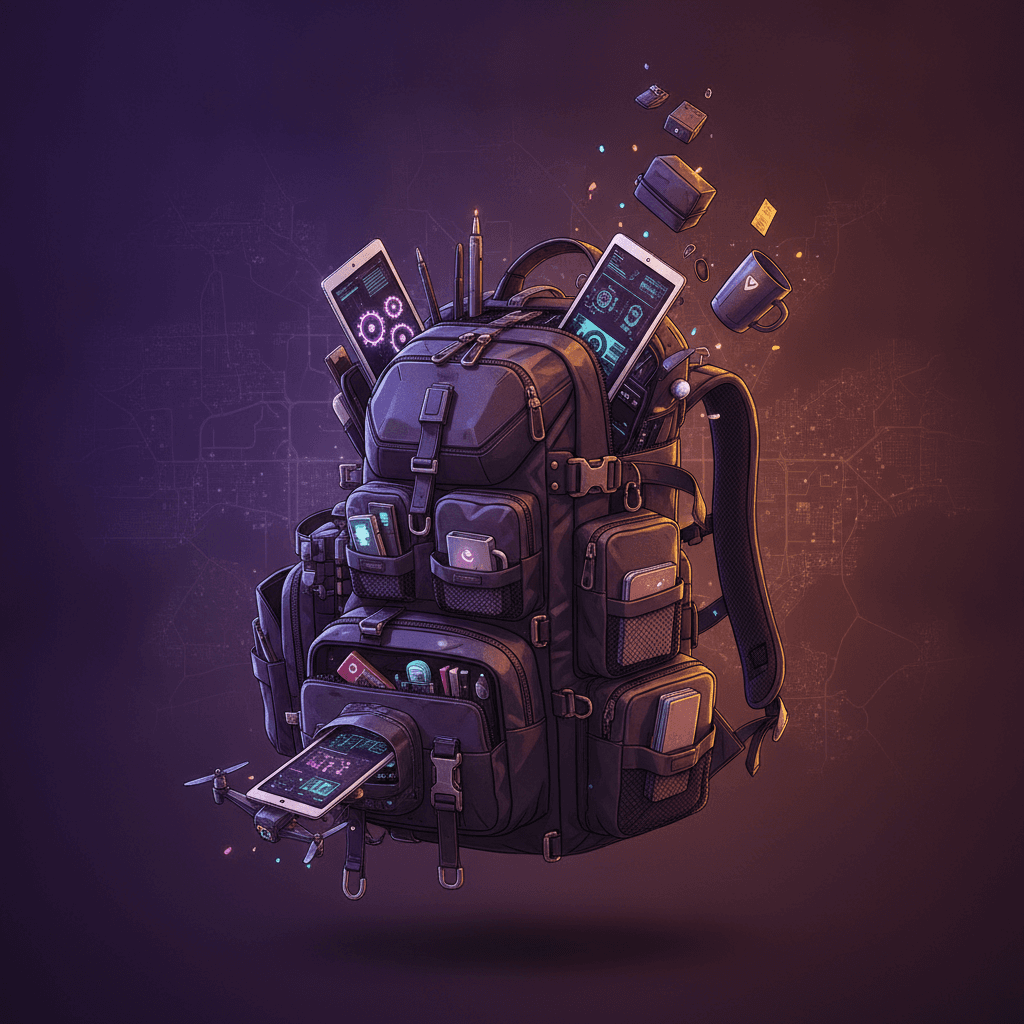
The Over-Engineered Commute: Peak Design and the Limits of Modular Carry
Peak Design built an empire on rigid clips and origami dividers. Its new City Line suggests that everyday commuting requires forgiving textiles rather than mechanical armour.
17 Aug 2026
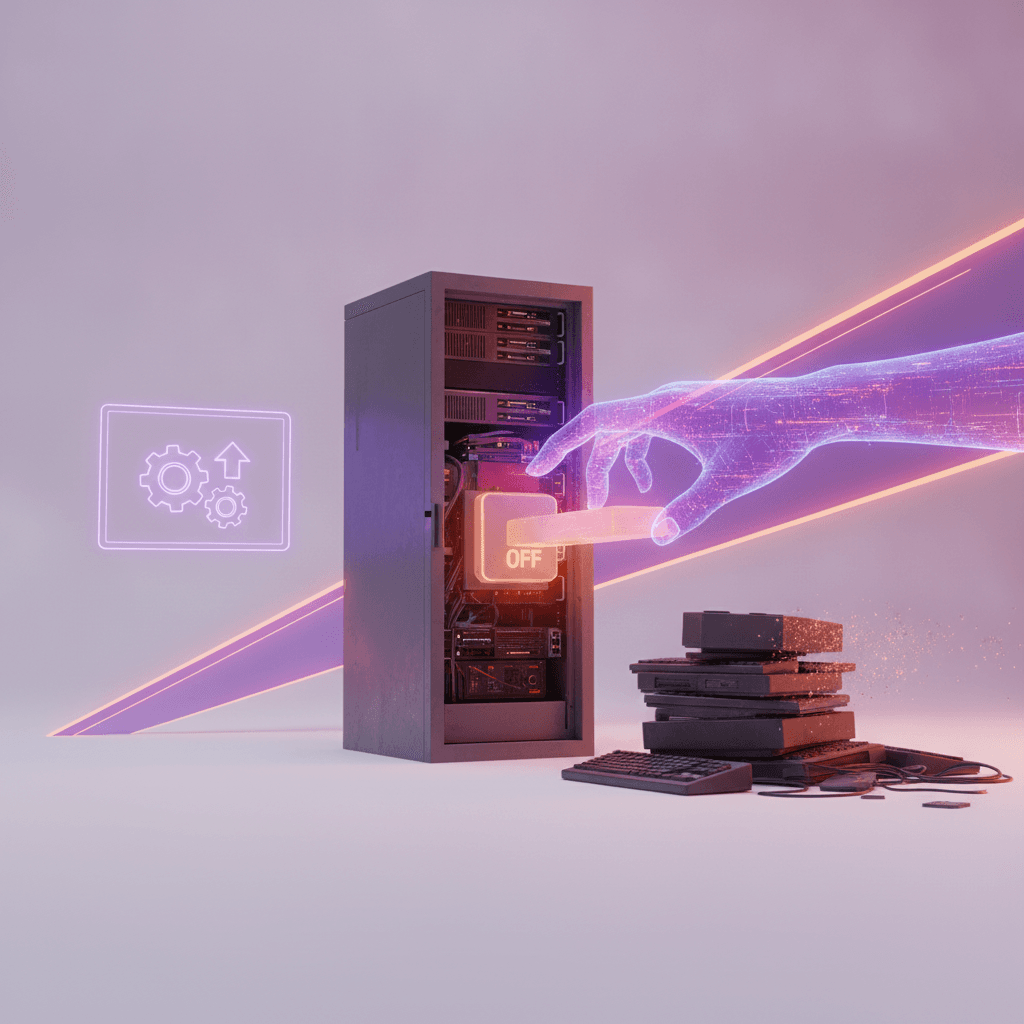
The Unattended Terminal: Why Autonomous Defaults Signal a Critical Product Shift in Developer Tooling
Anthropic's decision to make auto mode the default in Claude Code marks a decisive shift in developer tooling, moving safety from reflexive user clicks to automated local containment.
10 Aug 2026

The End of the Telemetry Moat in Consumer Wearables
Google Health's update allowing direct data export from Fitbit to Apple Health marks the end of telemetry lock-in. Wearables must now compete on physical ergonomics and sensor accuracy rather than trapped data.
4 Aug 2026