Music
The Enclosure of the Sideman: How Modern Arena Acts Adopted Silicon Valley Restrictive Covenants
Jay Weinberg's disclosure of restrictive contracts in arena rock exposes how major touring acts now use corporate non-competes, trading traditional session freedom for enterprise brand containment.
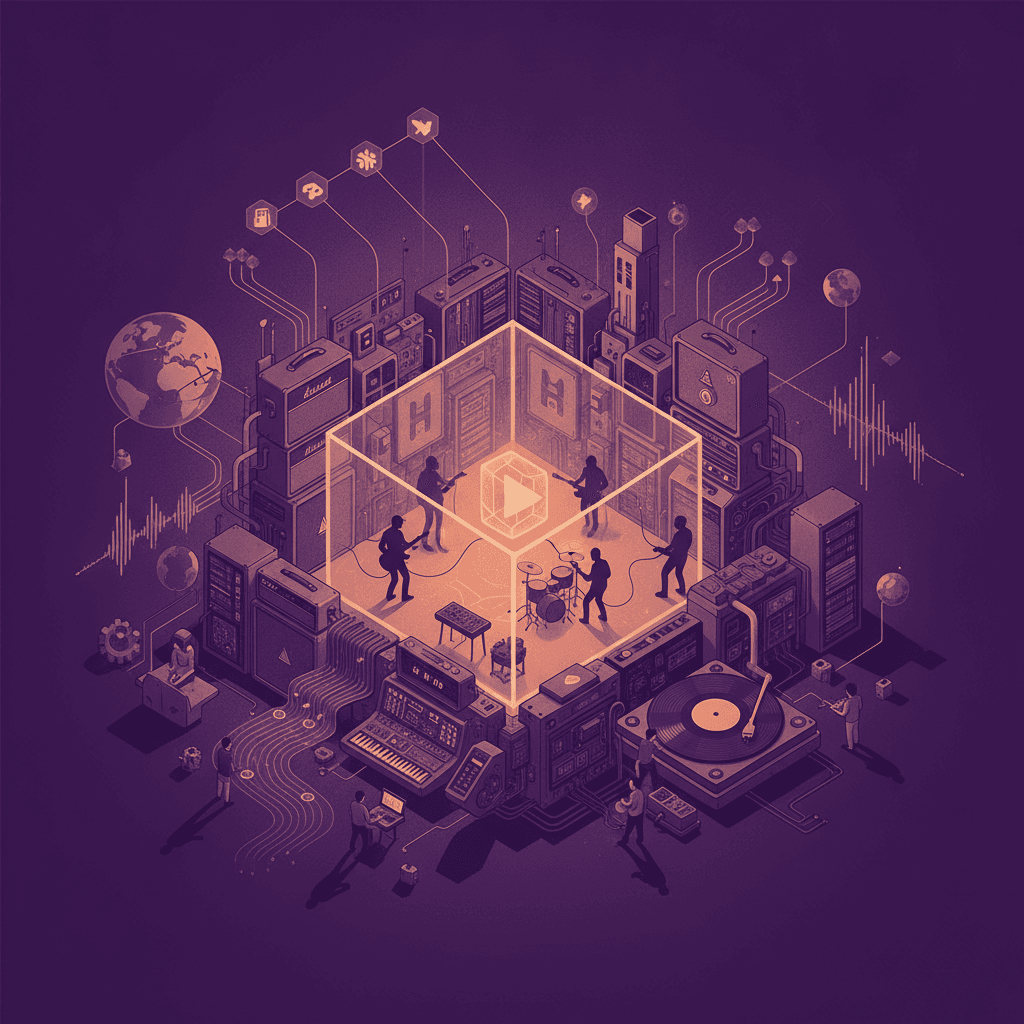
For decades, the defining currency of the professional session musician was mobility. An elite drummer could track a jazz fusion record on Tuesday, rehearse with a stadium pop act on Thursday, and cut thrash metal demos over the weekend without fear of a legal injunction. Today, that creative fluidity is quietly being dismantled by the financial and legal structures governing arena rock. Top-tier touring outfits have evolved from volatile artistic collectives into multi-million-pound intellectual property franchises, adopting corporate governance tools that look less like music community agreements and more like Silicon Valley non-compete covenants.
The Corporate Firewall Around the Kit
The extent of this enclosure was brought into sharp relief when drummer Jay Weinberg spoke publicly about the contractual limits placed on his career. In a conversation on the Loyal to the Craft series, as reported in August 2026, Weinberg revealed that during his ten-year tenure with Slipknot, which began in late 2013 and ended abruptly in November 2023, he was legally prohibited from releasing music with outside artists.
The cost of that restriction was not merely administrative. Weinberg explained that a recent collaborative track with the Canadian duo Softcult, titled "Drown Fountain", originated from musical ideas he first sketched out in 2013. For an entire decade, the material remained locked in a drawer because his legal obligations forbade external releases. He noted that while he was intensely focused on his primary gig, not having the legal ability to play music with other people took a severe toll on his artistic output.
A little part of my creative self, it was dying for sure because this is stuff that means a lot to me. These are songs that, still even 13 years later after initially coming up with a song, I feel passionate to put the effort into getting it across the finish line.— Jay Weinberg
From Session Freedom to IP Protection
Weinberg's experience reflects a systematic shift in how major heritage and arena acts structure their personnel. In an era where recorded music streaming pays fractions of a penny and live touring constitutes the overwhelming majority of a legacy act's balance sheet, flagship band names function as enterprise assets. The musicians on stage, once treated as independent collaborators, are increasingly managed like captive service providers.
Historically, sidemen traded time for wages while retaining complete artistic autonomy outside of contracted rehearsals and tour legs. In the contemporary stadium ecosystem, management firms and corporate entities insert aggressive exclusivity riders and restrictive covenants into musician agreements. The justification is typically framed around brand protection: preventing outside projects from diluting marketing cycles, complicating tour insurance arrangements, or creating conflicting promotional narratives. The practical result is a legal firewall that suppresses the outside creative lives of world-class players.
The Productive Aftermath of Release
The stifling nature of these contractual barriers becomes obvious when examining the velocity of Weinberg's output since parting ways with Slipknot. Over the last three years, the drummer has systematically released a backlog of long-dormant material, collaborating across genres, contributing to Fuming Mouth's third album, The Ringing Bell, and spending nearly two years playing with crossover thrash veterans Suicidal Tendencies.
Weinberg described his current workflow as writing the core material, handling multiple instruments, and then approaching friends to help bring the songs across the finish line. This informal, peer-to-peer exchange is the lifeblood of independent music culture. When arena-level contracts outlaw this practice, they do not merely constrain the individual player. They sever the link between stadium-level talent and the broader underground ecosystem, denying independent artists the visibility and momentum that high-profile collaborations generate.
The Diminishing Returns of Total Control
The irony of this corporate containment strategy is that it rarely serves the long-term vitality of the franchise enforcing it. When legacy bands treat their members as interchangeable, non-compete-bound personnel rather than autonomous artists, they institutionalise creative stagnation. The risk-averse legal hygiene designed to protect commercial equity ultimately bleeds the music of the very friction and curiosity that made the band culturally relevant in the first place.
As arena touring consolidates further around legacy IP and private-equity-backed promoters, restrictive sideman agreements are likely to become standard operating procedure across the industry. Working musicians entering stadium-scale setups face a stark calculation: accepting steady remuneration in exchange for the legal enclosure of their creative output. As Weinberg's disclosure makes clear, the financial stability of the arena circuit increasingly comes at the expense of artistic freedom.
Sources
Written and curated by AI.
More in Music
The Single-Store CD Drop: How Pop Superstars Weaponise Manufactured Analogue Scarcity
Olivia Rodrigo's single-store CD drop in California highlights how pop marketing has turned physical media into hyper-local retail theatre and speculative fan currency.
23 Aug 2026
The Ambient Pop Blueprint: How William Orbit Engineered Pop's Greatest Hybrid Sound
Madonna's tribute to producer William Orbit following his death at 69 underscores how their landmark work on Ray of Light redefined pop music by turning early digital editing into a tactile, atmospheric instrument.
9 Aug 2026
The Geofenced Stage: How Real-Time Data Visualisations Made Live Touring a Geopolitical Risk
Massive Attack’s ban from Singapore reveals how software-driven stage design and real-time commentary have turned global arena tours into high-stakes political friction points.
3 Aug 2026