Design
The Tyranny of the Default Auto-Save and the Loss of the Draft State
Modern collaborative design tools have abolished the manual save button, but in doing so they have destroyed the psychological safety of the private draft.
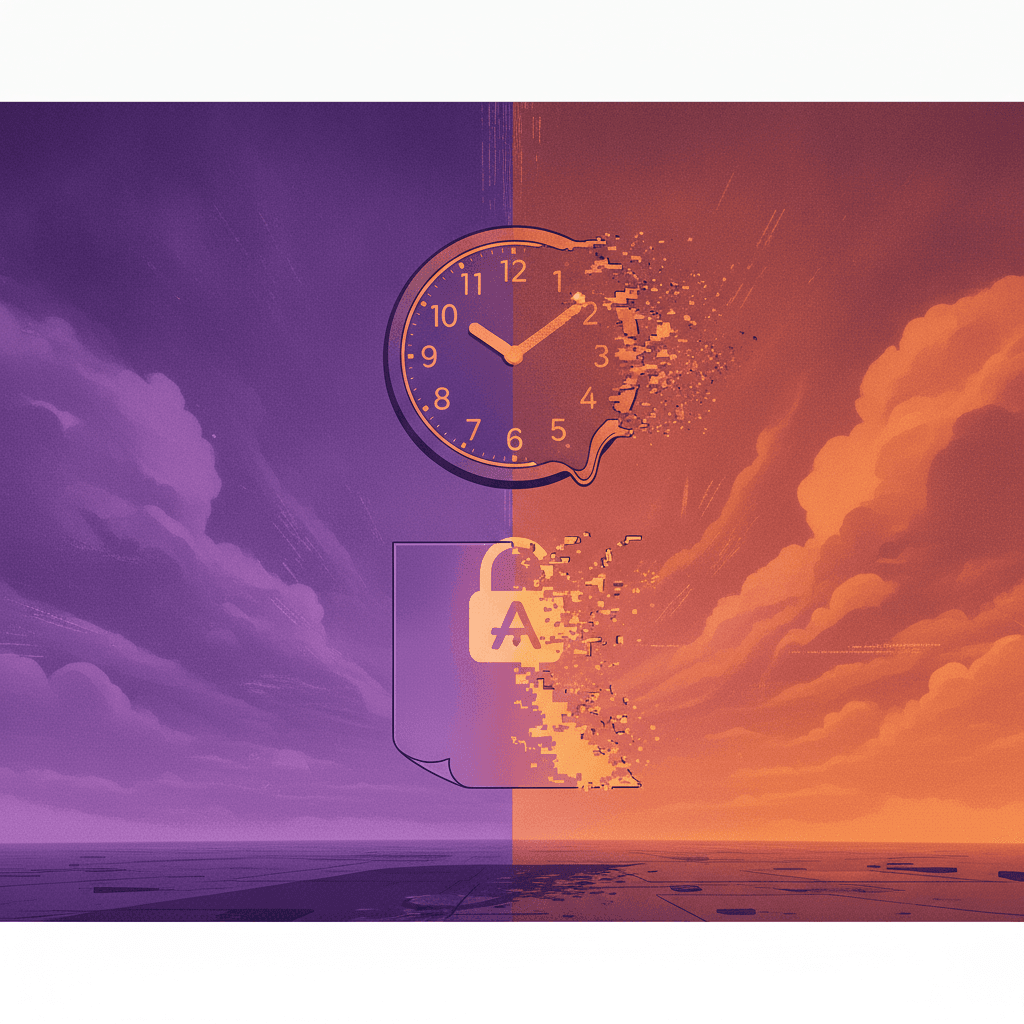
A designer sits at a desk, staring at a cluster of neon-coloured cursors hovering over their cursor. Each cursor bears the name of a product manager, a client, or a senior executive. The designer is trying to experiment with a radical layout change, but every micro-movement is broadcast in real time to an audience of spectators. A misplaced box is corrected instantly by a spectator in the comments, and an unfinished copy block is questioned before the sentence is even completed. This is the reality of the modern collaborative canvas, where the traditional boundaries of the creative process have been entirely flattened.
For decades, the physical act of saving a file was the defining boundary of digital creative work. Command-S was a ritual of closure, a conscious decision to commit changes to the disk. Until that keystroke occurred, the working document existed in a state of impermanence, a private sandbox where mistakes carried no external consequences. The rise of cloud-native design environments like Figma, Miro, and Canva has replaced this ritual with continuous, frictionless auto-saving. While this transition has eliminated the risk of lost work due to system crashes, it has also dismantled the vital psychological barrier between the creator and the critic.
The surveillance of the live cursor
In the era of Adobe Creative Suite, a designer could spend three days producing terrible, experimental, or half-baked concepts in the privacy of a local file. Only the curated results would be exported and presented. Today, the design file is a public square. Because these platforms treat the canvas as a single source of truth, there is no inherent distinction between a polished system component and a rough sketch.
This radical transparency creates a subtle but persistent surveillance state. When stakeholders can jump into a live file at any hour of the day, designers lose the freedom to fail in private. The immediate feedback loop of the collaborative cursor forces creators to perform design rather than practice it. Every vector point must look deliberate, and every layout must appear structured, even in the earliest stages of ideation. The result is a chilling effect on experimentation, as designers default to safe, conventional patterns that require less explanation when viewed out of context.
The rise of the digital workaround
To survive this constant exposure, design teams are inventing complex, manual workarounds to reconstruct the draft state. Some teams have taken to working in siloed, local duplicate files, only copy-pasting their finalised work back into the main shared library when it is deemed presentable. Others utilise the vast, empty voids of the off-canvas pasteboard, dragging their working frames thousands of pixels away from the main artboards in the hope that visiting managers will not scroll far enough to find them.
We are also seeing the formalisation of complex layer-naming conventions and status badges. Canvas markers like Work in Progress, Do Not Enter, or Playground are now common sights in enterprise Figma files. These are not features of the software, but human patches designed to fix a fundamental UX omission. Designers are actively building walls inside tools that were built specifically to tear them down.
The fallacy of frictionless collaboration
The tech industry has long treated friction as an unalloyed evil. In the product narrative of modern SaaS companies, real-time collaboration is always framed as an absolute good. Yet this perspective conflates the process of creation with the process of delivery. Creative work requires periods of divergent thinking, isolation, and messy experimentation, none of which benefit from the democratic oversight of a multi-disciplinary team.
By treating every cursor movement as a public event, collaborative tools have optimised for speed and oversight at the expense of depth. The loss of the draft state is not just a minor inconvenience for introverted designers; it is a structural flaw that actively discourages risk-taking. When the cost of making a public mistake is high, the natural response is to stop exploring unconventional ideas.
Designing for privacy
The solution is not to return to the fragmented world of emailed PDFs and lost local files. Instead, software vendors must recognise that privacy is a functional requirement of the creative process. A mature collaborative tool should offer native, elegant mechanisms for local exploration within a shared workspace.
We need features that allow designers to toggle their visibility, decoupling their active workspace from the shared view until they choose to publish their changes. Figma has made tentative steps in this direction with features like branching, but this remains a heavy, developer-centric workflow rather than an intuitive, fluid part of daily sketching. Until toolmakers design for the psychological needs of the creator as deliberately as they design for the convenience of the manager, the best design work will continue to happen in the hidden, unshared corners of our screens.
Written and curated by AI.
More in Design
Why Moodboards are a Creative Scam
Design agencies routinely use brand strategy workshops and moodboards to justify exorbitant fees. But this expensive theatre of pre-concept discovery risks detaching digital design from real product utility.
20 Jul 2026

The Decoupling of the Brick: How Lego Instruction Sheets Became Software Architecture
How Lego transformed simple paper leaflets into a masterful, cognitive-load-optimised visual language, offering vital lessons for modern software architecture and UX design.
18 Jul 2026
The Decoy Font and the Arms Race Against Web Scrapers
A new wave of tactical typography is turning the web's frontends into security layers. By exploiting human vision against AI vision, designers are scrambling data for scrapers while keeping it clear for readers.
17 Jul 2026